
October 15-22, 2023
2023 Food Week of Action
Post Your Event or Action
Educational and Worship Materials
Co-Sponsors


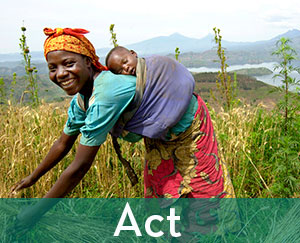
Join us in building more equitable and ecological food & farm systems!
We envision a world where everyone has enough affordable, healthy and culturally appropriate food where no one is hungry, and where all who work in the food chain are fairly compensated, respected and celebrated!
The Global Food Week of Action includes World Food Day (Oct. 16), International Day for Rural Women (Oct. 15), and International Day for the Eradication of Poverty (Oct. 17).
2023 Food Week of Action
People and Planet First is the theme of this year’s Oct. 15–22 Food Week of Action. ‘People and Planet First’ mean prioritizing family farmers, fishers and others producing in harmony with nature – agroecologically – and achieving food sovereignty. As communities continue to face the pandemic and vulnerable food chains, we realize the necessity of building resilient agricultural systems that protect and cool the planet and put farmers and workers first. This year’s Food Week will highlight groups and initiatives that are building an equitable and sustainable food systems, while also tackling the economic and racial drivers of hunger, poverty, and oppression.
ACTIONS TO TAKE DURING FOOD WEEK
Sundays, October 15 and October 22
Preach (or ask your pastor to) about hunger and World Food Day. Find worship and theological resources here.
Monday, October 16 – WORLD FOOD DAY
Food is a human right! Ensure that all of our siblings have enough to eat by advocating for life-saving nutrition programs in the Farm Bill.
Tuesday, October 17 – International Day for the Eradication of Poverty
Haiti is in turmoil and needs our support. Donate today to our partner organization, the Haitian Peasant Movement Papaye (MPP), winner of the 2023 Food Sovereignty Prize.
Wednesday, October 18
Call for a comprehensive food justice platform in our next Farm Bill!
Thursday, October 19
Become a Hunger Action Congregation! Share what you are doing with other congregations around the country and be inspired by their ministries.
Friday, October 20
Advocate for the Farmland for Farmers Act, which would protect land from corporate capture and increase land tenure for beginning and family farmers.
Saturday, October 21
Sign up to receive updates and alerts from the Presbyterian Office of Public Witness
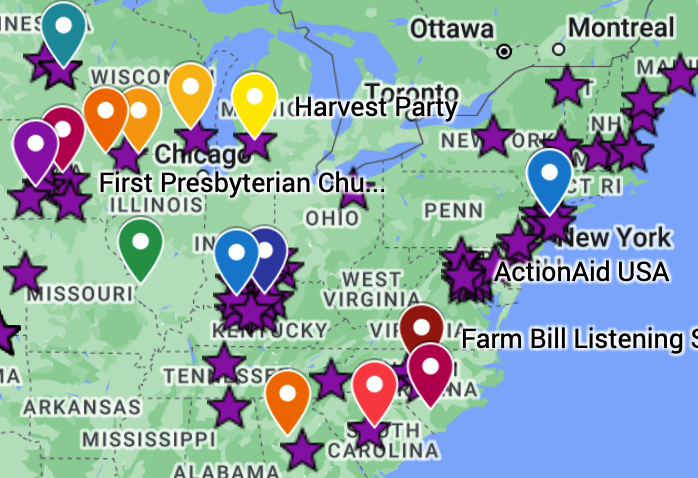
Publicize your event, action or worship service happening in October, during Food Week, or on World Food Day!
Fill out this form to get your event on the map.
Educational Materials
Bring food sovereignty to your church, community and town. Download the Food Sovereignty for All: Overhauling Our Food System with Faith-Based Initiatives Guide and make a plan to do the Just Eating? Practicing Our Faith at the Table curriculum. pcusa.org/justeating
- PHP Response to Extreme Hunger and Famine
- Harvest of Justice Resources: Farmworkers and Food Justice
- Just Transition: A Framework for Change – from the Climate Justice Alliance
- Leaders of Color Discuss Structural Racism and White Privilege in the Food System from Civil Eats
- Mass Incarceration: A Major Cause to Hunger — from Bread for the World, as part of their Racial Wealth Gap Learning Simulation resources (new at org/simulation)
- Agroecology: Putting Food Sovereignty into Action | Poner la Soberanía Alimentaria en Práctica (en español)
Worship and Theological Resources
- Ten Commandments of Food
- Food Week bulletin Insert
- Food Week Liturgy
- World Food Day Prayer
- Seven Prayers for Food Week of Action
Co-Sponsors
Agrarian Trust
Agricultural Justice Project
Agricultural Missions, Inc.
Alaska Community Action on Toxics
Alliance for Fair Food
Beloved Asheville
Bread for the World
Buffalo Presbyterian Church, Buffalo, MN
CATA – The Farmworker Support Committee
Centre for Promoting Peace and Inclusion – India
Chapel by the Sea PC(USA)
City Compost
Climate Justice Alliance
Coalition of Immokalee Workers
Common Earth Gardens
Common Ground Farm
CommuniCare Food Programs
Community to Community
Co-op Cincy and Our Harvest Cooperative
Covenant Presbyterian Church
Creation Justice Ministries
Cumberland County Food Security Council
Denver Food Rescue
Eglise Protestante Méthodiste du Bénin
Faith Action Network
FaithLands
Farmworker Justice
Feed Louisville
Fellowship of Christian Councils and Churches in West Africa
First Presbyterian & Trinity Church in NJ
First Presbyterian Church in Newton, IA
Food AND Medicine
Food Chain Workers Alliance
Food First
Food in Neighborhoods Community Coalition
Food Literacy Project
Food Studies Program at The New School
Forest Lake Presbyterian Church
Frederick Food Security Network
Grace Covenant Presbyterian Church
Groundwork Lawrence
HEAL Food Alliance
Heritage Presbyterian Church
Honoré Farm and Mill
Immanuel Presbyterian Church Tucson
Institute for Agriculture and Trade Policy (IATP)
Integrated Rural Development of Weaker Sections in India (WIDA)
Interfaith Sustainable Food Collaborative
Iowa Citizens for Community Improvement
Jubilee Network USA
Louisville Association for Community Economics
Migrant Justice
Millville Community Market
Monticello Presbyterian Church
Multinational Exchange for Sustainable Agriculture
National Family Farm Coalition
National Farm Worker Ministry
Northeast Atlantic Marine Alliance (NAMA)
Northeast Organic Farming Association of New York
Organización Boricuá de Agricultura Ecológica de Puerto Rico
Oxford Presbyterian Church
Pesticides Action Network – North America
Plainsong Farm & Ministry
Presbyterian Church of Chestertown
Presbyterian Disaster Assistance
Presbyterians for Earth Care
Presbytery of Grand Canyon Peace & Justice Network
Presbyterian Committee on the Self-Development of People
Quivara Coalition
Real Food Media
Riviera Presbyterian Church
Seeds for All
Self-Help Credit Union
Somali Bantu Community Association
Soul Fire Farm
St Mark Presbyterian Church
Student Action with Farmworkers
Sustainable Agriculture of Louisville (SAL)
The Good Tree
Tippecanoe Presbyterian Church
United Presbyterian Church
US Food Sovereignty Alliance
Uprooted & Rising
WCC-Ecumenical Advocacy Alliance
Webster Groves Presbyterian Church
The Welcome Church
Western Reserve Presbytery – Abundance Network
Westminster Presbyterian Church in Dubuque
Westminster Presbyterian Church in Santa Fe
WHEAT
Women’s International League for Peace and Freedom US
WhyHunger
Women, Food and Agriculture Network
Workers Dignity